
Feeling like something vital is missing, even after therapy or mindfulness? Discover how the void management therapy process can help clients break free from the cycles of compulsion and emotional emptiness for lasting transformation.
What Is Void Management in Therapy?
Many clients come to therapy troubled by compulsive thoughts, overwhelming emotions, or difficult-to-control behaviors. When traditional therapy, medication, or even mindfulness do not fill the gap, what remains? Often, a persistent “void”—a sense of deep emptiness or lack that can be the true driver behind recurring struggles.
Void management offers an evidence-based approach to addressing this emptiness, unlocking healing from the inside out.
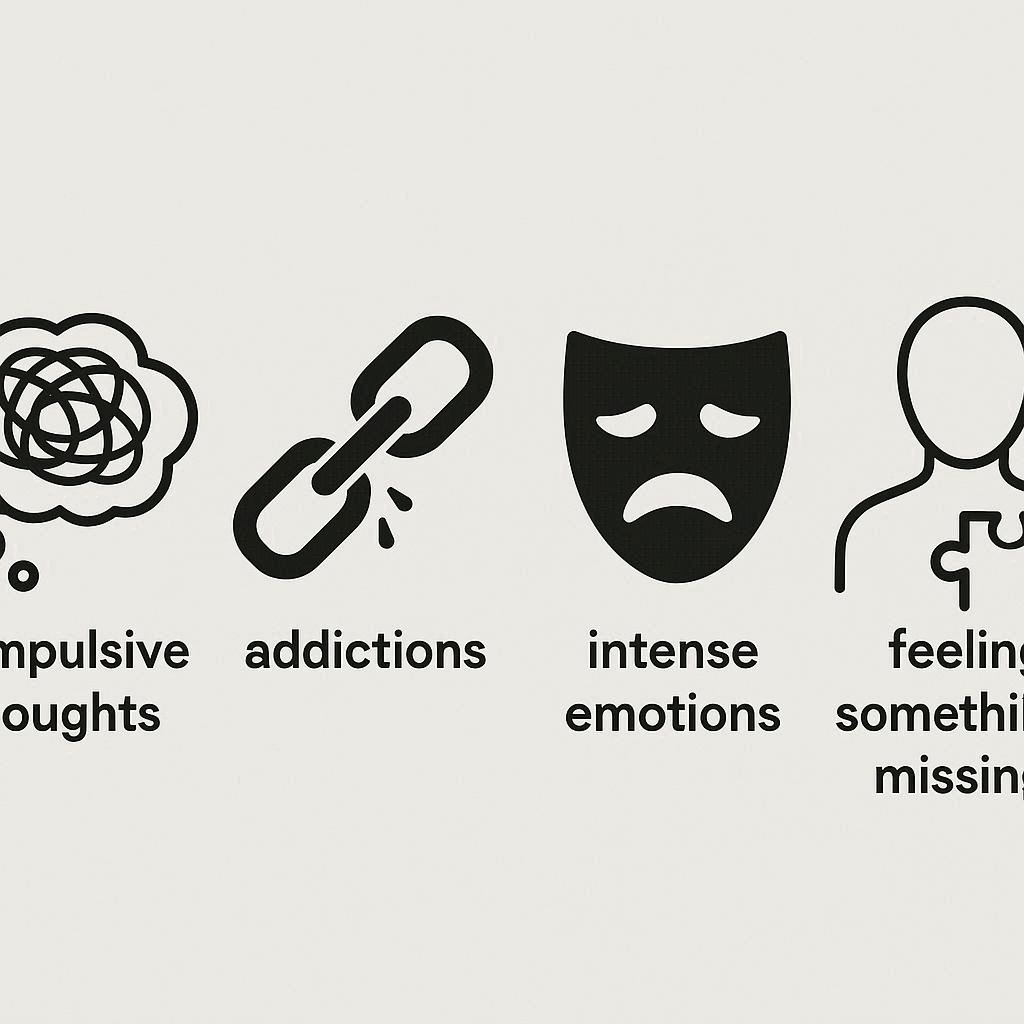
Recognizing Signs of the Void
- Compulsive thoughts and recurring worries
- Addictions, self-sabotage, or destructive behavior patterns
- Intense emotional reactions that seem out of context
- Chronic sense of “something missing,” no matter external success
Why Use the Void Management Therapy Process?
The Benefits
- Accesses the subconscious roots of compulsion and distress
- Enables symbolic and emotional release of long-held burdens
- Fills emotional emptiness with empowering strengths and resources
- Breaks destructive cycles for true healing and fulfillment
How to Apply the Void Management Therapy Process (Step-by-Step)
Step 1: Induce a Hypnotic State
Guide your client into deep relaxation, using progressive relaxation, focused breathing, or guided imagery. A calm mind makes the subconscious more accessible.
Step 2: Visualize the Corridor and Doors
Ask the client to imagine a corridor with two doors—each representing different subconscious aspects.
Step 3: Enter the Inner Room
The first door leads to a room symbolizing current emotional experiences. Encourage observation of details; these often reveal hidden insights.
Step 4: Find the Basement Door
Within the room, direct the client to a basement—symbolic of deeper, unconscious issues tied to the void.
Step 5: Discover the Unwanted Object
Guide the client to locate an object in the basement that feels out of place. This stands for unresolved pain or suppressed emotions.
Step 6: Externalize and Prepare for Release
Ask the client to put the object in a box and carry it out to a garden. Visualize leaving it there to prepare for transformation.
Step 7: Interpret and Let Go
Open the box in the garden, reflect on the object’s meaning, and use breathwork or visualization for complete emotional release.
Step 8: Receive a Gift
Guide the client to receive a symbolic “gift” from the universe—an insight or strength to fill the void.
Step 9: Review and Integrate
Return with the client to the basement and room, noticing any changes. Invite further adjustment if needed.
Step 10: Future Pacing
Finish by having the client visualize positive future scenarios infused with new resources.

CHP Techniques to Amplify the Void Management Therapy Process
Key Methods for Deeper Healing
- Anchoring: Help clients install empowering emotional or mental states that can be instantly accessed in daily life.
- Parts Integration: Resolve internal conflicts by fostering communication and harmony between different “parts” of the self.
- N-Step Reframing: Discover the deeper positive intent behind self-sabotage, meeting these needs healthily.
- Therapeutic Metaphors: Use symbolic stories to bypass resistance and foster deep insight.
- SWISH Pattern (NLP): Rapidly change negative responses.
- Inner Child Healing: Address core wounds and unmet needs from childhood that contribute to the void.
- Emotional Empowerment Technique: Use a blend of breathwork and positive affirmations for direct, on-the-spot relief.
Internal linking to individual technique guides or related articles can improve SEO and value.
Practical Tips for Psychologists and Coaches
Boost Engagement and Results
- Break sessions into digestible steps; use handouts or infographics to reinforce learning.
- Invite clients to journal about their experiences with each step.
- Encourage follow-up and revision of the void management process as new patterns emerge.
- Gather anonymized client success stories (with permission) to build trust and illustrate effectiveness.
SEO and Visibility Best Practices
- Use “void management” and “void management therapy process” naturally in major headings, alt text, and call-to-action boxes.
- Regularly update your article with new therapeutic insights, research, or real-life examples.
- Link to reputable sources and related techniques for additional authority.
Client Success Story Highlight
One client, struggling with compulsive emotional eating after multiple failed interventions, found lasting release using this process. By uncovering the symbolic “object” in her subconscious and replacing it with self-worth, she was able to break free from old patterns—demonstrating the power of void management when combined with CHP methods.
Take Your Practice to the Next Level
Ready to master the void management therapy process and CHP techniques? Join the Cognitive Hypnotic Psychotherapy Diploma program and transform how you help clients heal from emotional emptiness—forever.
Book a discovery call, download your free technique PDF, or join our upcoming webinar to get started!